Have you noticed what happens to your breath when you feel nervous? You might hold it without realising. Your shoulders lift. Your words get stuck. Your next move feels harder to find.
Now take one full, comfortable breath. Feel the difference? It may not make the nerves disappear, but it can give you a moment to settle and choose what comes next.
I’ve taught dance and martial arts for over 20 years. Again and again, I see people discover that breath is not just a warm-up before the real thing. Breath is part of the thing. It changes how we move, how we speak and how ready we feel to try.
The simplest tool we teach is often the one people keep using longest. Breathe first. Then move.
In dance, breath helps the movement reach its finish
When dancers hold their breath, the body can tighten. The phrase loses its flow. A step that should travel to its full finish gets clipped short.
Breathing through the movement gives it space. It helps us feel the timing of the music, carry a gesture to its end and keep going through a routine we have practised. Breath becomes part of the rhythm, not something separate from it.

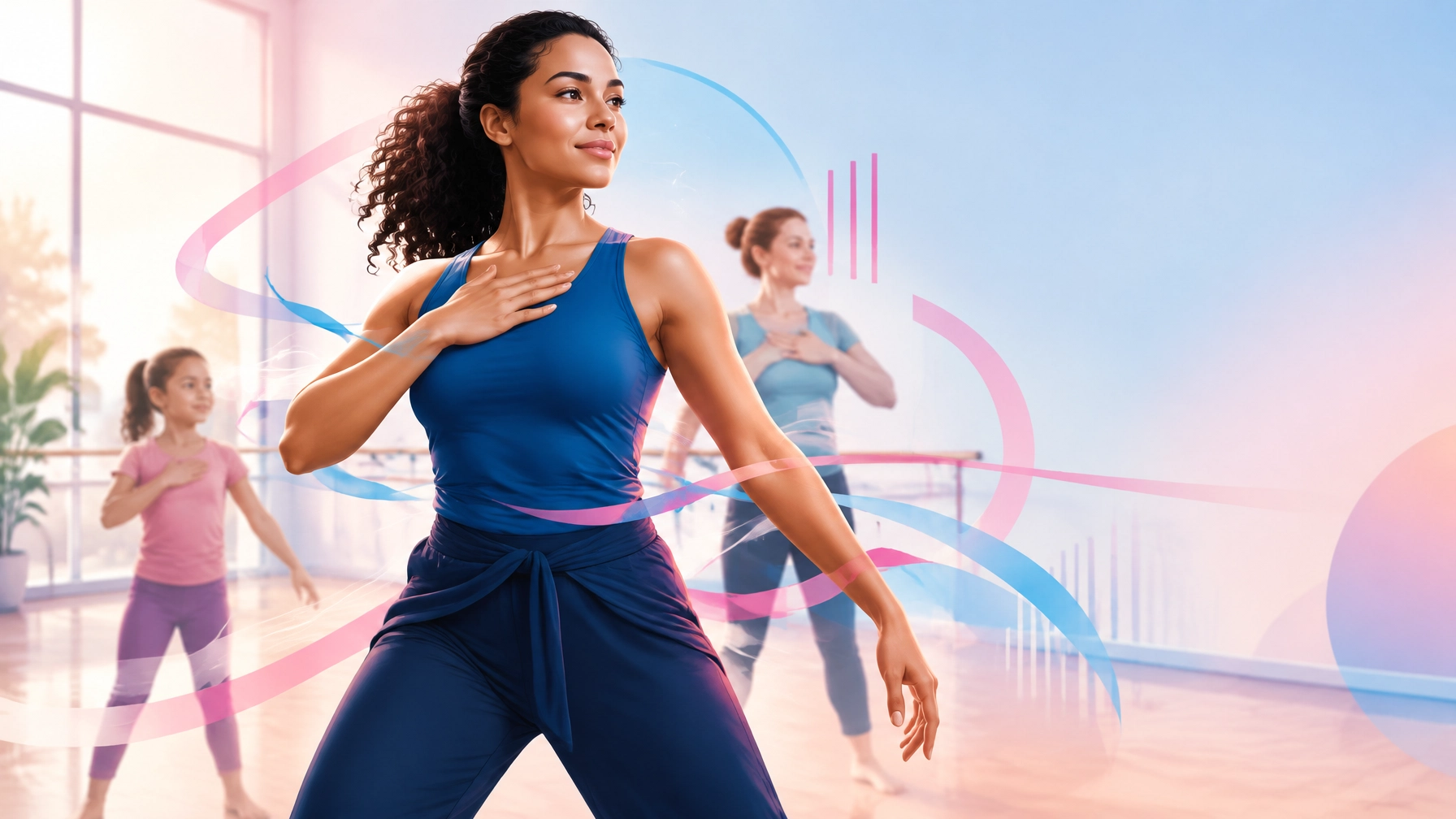
Before stepping on to perform, a dancer can pause for a breath and feel their feet on the floor. Then the music starts, and they can let the breath travel with the movement. There is no need to force a huge breath. Just notice it, and let it support the next step.
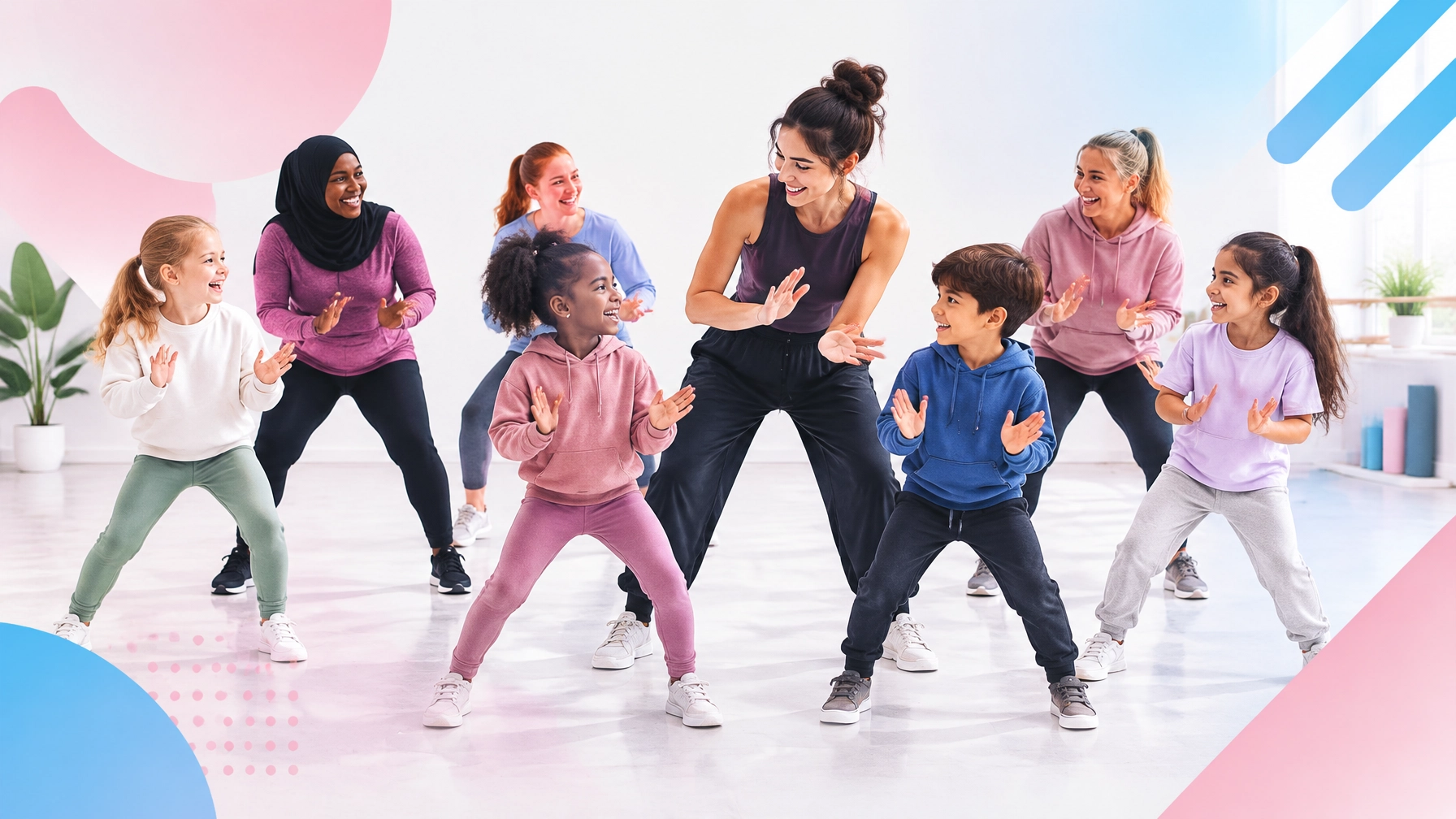
With children, I like to keep it simple and playful. We might blow out an imaginary candle before a turn. We might count a few breaths together before a class performance or school assembly. Or we might breathe audibly on a big movement, making the breath part of the dance.
These little moments can help a shaky start become a steadier one. They don’t need to be perfect. We breathe, we begin, and we keep moving.
In self-defence, breath can make room to notice
In self-defence practice, breathing out with a movement can help us stay connected to what we are doing. When panic breathing takes over, we may snatch at a response or rush through it. A calmer pace can give us a moment to notice our space, look around and think about where an exit might be.
Breath does not guarantee what will happen in a difficult situation. It is one useful skill among many. We practise it alongside movement, awareness, clear boundaries and voice.

That is why I build breathing into practice, rather than saving it for the start or the end. We can move slowly, breathe out with the action, pause and try again. A friendly room gives us space to become familiar with a skill before we might need it in everyday life. Calm under pressure is a habit we can practise, one small repetition at a time.
I also encourage people to breathe before using their voice. Breathe, then say it clearly. A steady “stop” or “no” can feel different when you give yourself a second to stand tall and speak with intention.
Thoughtful self defence instruction for women in West Yorkshire can offer a supportive place to explore these practical tools. Every person and situation is different, so activities should be adapted to the group and each participant’s needs.
Grown-ups can take a breath into the everyday
You do not need a studio or a training mat to use this idea. Take a breath before a meeting, a presentation, a difficult conversation or a phone call you have been putting off.
Even the kitchen can become a place to practise. While the kettle boils, let your shoulders soften. Notice one comfortable breath. Then decide what you want to do next.

A breath gives you a second to choose your response instead of reacting straight away. It does not have to turn you into a different person. It simply gives you a small pause that belongs to you.
And if you don’t feel ready yet, you can still begin with one small step. You don’t have to wait for nerves to vanish before you act. In my recent post about how fun can help us build bravery, I wrote about giving ourselves room to try. A breath can be another way to make that room.
Breathing, movement and community across West Yorkshire
I teach in Huddersfield, Batley and Berry Brow, and work with schools, charities, workplaces and community groups across West Yorkshire. Each group is different. We adapt the activities to the people in the room, their needs and the setting.
A children’s group might count breaths together before a performance. A workplace might use a simple breathing pause before a team challenge. A self-defence session might connect a steady breath with movement and clear communication. The activity changes. The invitation stays the same: take a breath, notice where you are, and try what comes next.
I bring together dance, martial arts and motivational speaking. I’m an international Irish dance competitor with British, European and World titles. Groups across West Yorkshire often look for a Martial Arts coach West Yorkshire they can rely on, and I love being that person for them. I’m proud, too, of the World Champion West Yorkshire recognition my dance journey has brought me.
But what matters most to me is not a title. It is watching someone breathe out, stand tall and surprise themselves. I love empowering people. After more than 20 years of teaching, seeing those moments never gets boring.
Breath is simple. That is part of its power. We can return to it in class, at work, at school or while the kettle boils. Breathe first. Then move. Then breathe again.
If you’re looking for a session for your school, workplace, charity or community group, get in touch and tell me what you have in mind. I’d love to hear from you.
And if you’d like to keep up with the work I’m doing, visit The Dancing Fighter to sign up for the newsletter. I’d love to keep you in the loop. ❤️
About Rebecca
I’m Rebecca Kane, founder and instructor at The Dancing Fighter. I have more than 20 years of teaching experience and have competed internationally in Irish dance, earning British, European and World titles. I bring dance, martial arts and motivational speaking together to help women and children build resilience and confidence.

Tags: West Yorkshire Huddersfield Batley Berry Brow Breathing and confidence Dance Self-defence Women’s confidence Children’s confidence Resilience Schools Community groups World Champion West Yorkshire