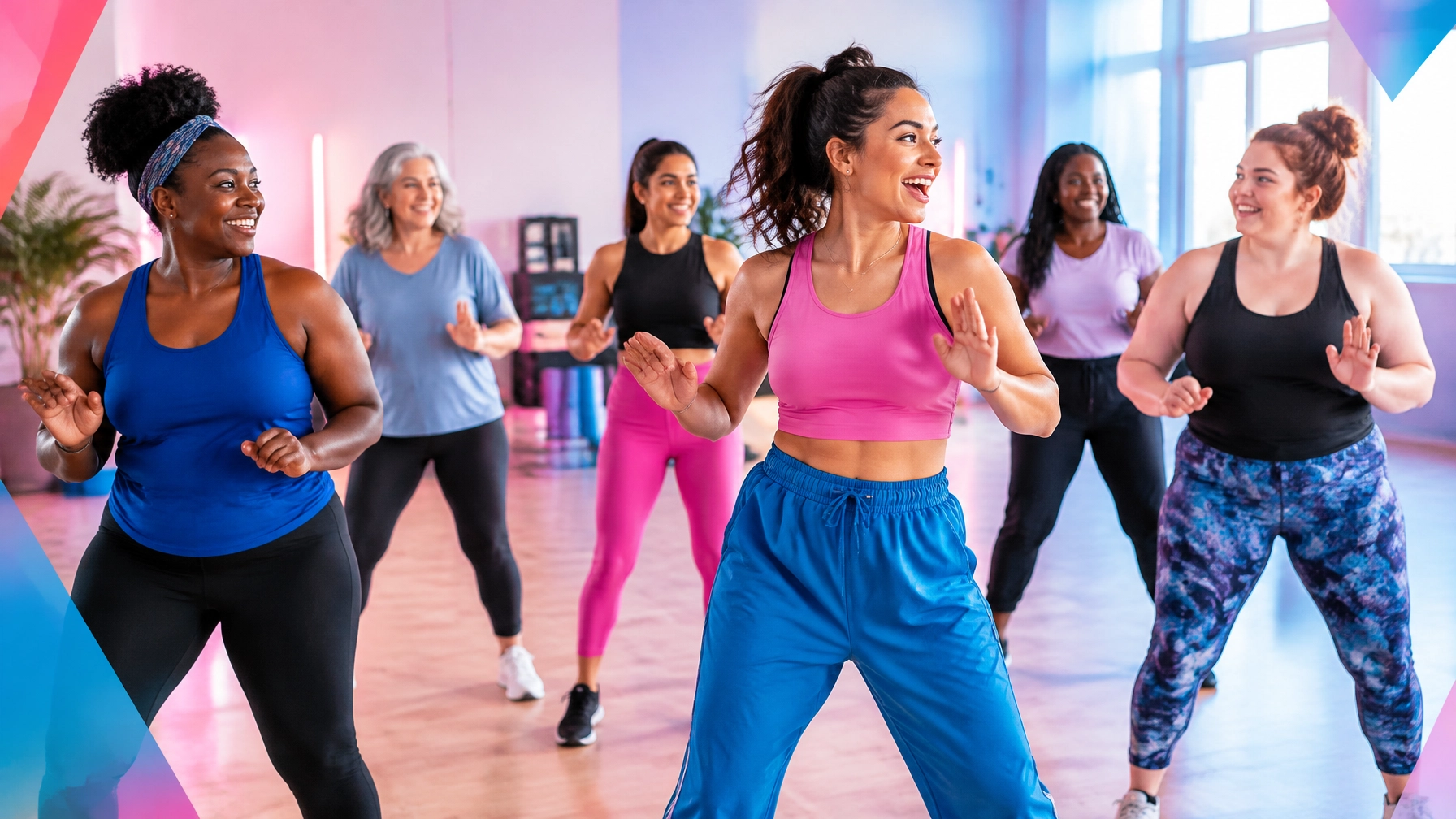
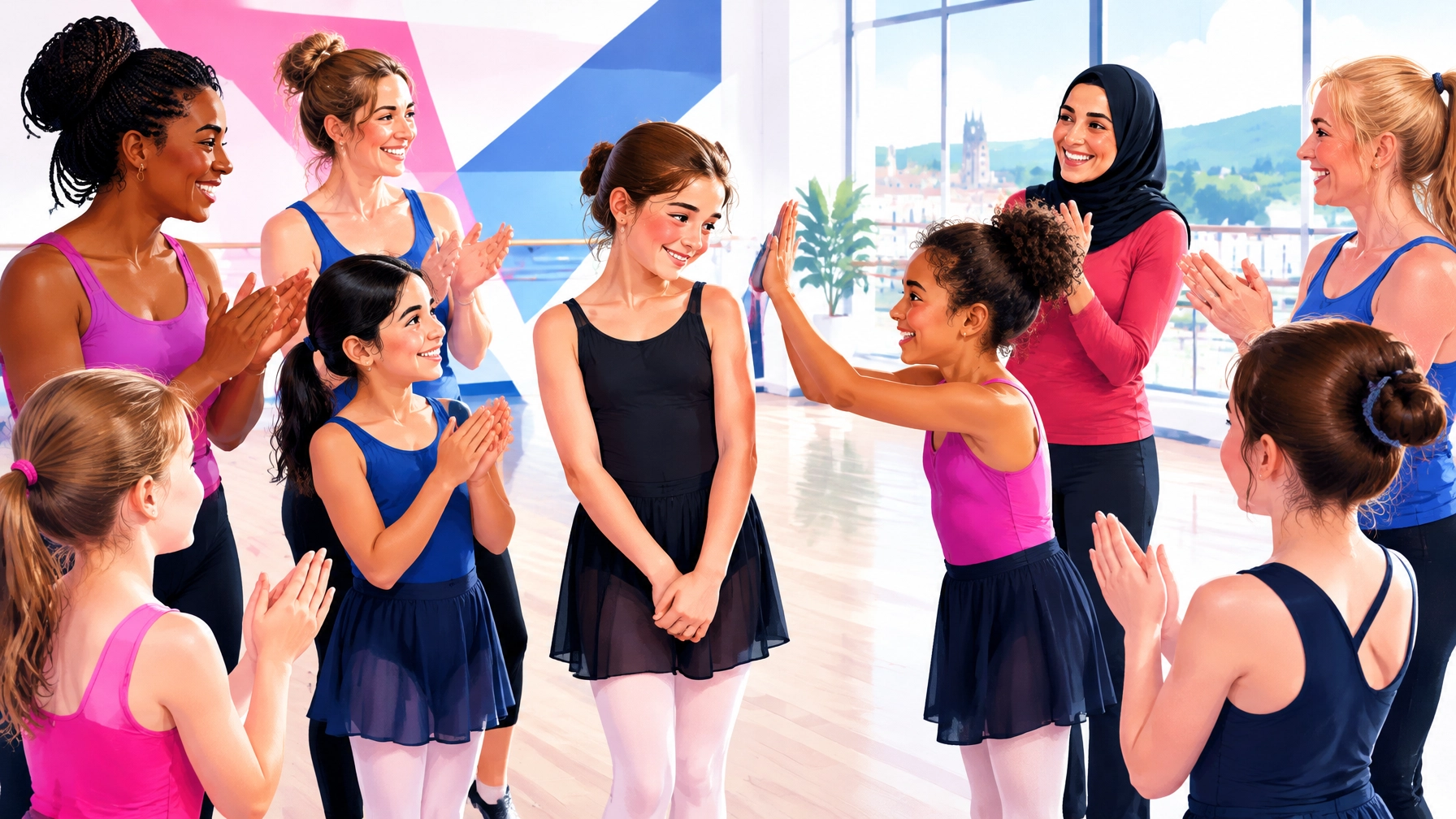
We’re standing at the end of a session. Everyone is a bit sweaty and smiling. Then I invite the room to clap for each other.
There’s an awkward half-second. A few people look at the floor because they don’t know where to put themselves when someone claps for them. Others start clapping straight away, turning the attention towards the person beside them.
That little pause matters. Being celebrated out loud can feel unfamiliar. Learning to receive praise, and to offer it generously, is something we can practise in the room. Not to put anyone on the spot, but to help make appreciation feel welcome.
Why the ending matters as much as the beginning
We remember how things finish. A session that ends with a clap can leave a different feeling from one that simply stops. It gives us a moment to notice the people around us and what they brought to the room.
It’s a small ritual, but it can shape how someone walks out of the door and how they feel about coming back next week. The clap isn’t a score or a judgement. It’s a simple way of saying: “I saw you take part, and I’m glad you were here.”
That doesn’t mean every person enjoys public attention. I make room for different ways to join in, and nobody should have to perform gratitude or accept applause in a particular way. The important thing is that recognition is warm, respectful and shared.
In dance, we clap for more than a performance
At the end of a class, we clap for the group. We clap for the people who tried something new, and for the ones who got up in front of everybody. We’re not choosing a winner. We’re recognising the experience of taking part.

For children, clapping for one another offers a chance to practise being generous with praise and to accept it, which can be harder than it sounds. I’ve seen a child who has just been clapped for by a whole room stand a little taller. The applause doesn’t need to say “you were the best”. It can say, “We noticed you.”
Dance performances offer another chance to learn this. A dancer takes a bow and hears the audience clap. They can look up and say thank you instead of shrinking away from the moment. Over time, that experience may make it a little easier to receive a compliment elsewhere, too, whether it’s from a teacher, a colleague or someone they meet in the street.
And the clap is not about being perfect. We clap for effort and for showing up, not for getting every step right. A sincere, specific comment can make the moment even more meaningful: “I loved how you kept your focus through that tricky turn.” That tells someone what we appreciated without comparing them with anyone else.
In self-defence, we celebrate the group and our partners
At the end of a self-defence workshop, I like to make space for a clap for the group, and for the partners who worked together. You learn with somebody else. Acknowledging that person matters.
A thank you is a small but real act of respect. It says, “Thank you for practising with me.” Hearing “thank you” back can help make the exchange feel mutual. We’re also practising awareness of boundaries: checking in, respecting someone’s comfort and making it possible to pause or adapt an activity.

I think of a woman coming to her first self-defence session. If she’s welcomed, supported through the activities and included in a group clap at the end, that may help her feel that she’s among people learning together, not being judged. The invitation matters: celebrate the group, while respecting that some people may prefer a quieter thank you.
Self-defence is one useful set of skills among many. It can support learning about awareness, boundaries and practical responses, but it is never a guarantee of safety. Every person’s needs and circumstances are different.
If you’re exploring self defence instruction for women in West Yorkshire, you can find out more about the sessions I offer.
Taking that appreciation into everyday life
Receiving praise at work can bring back that same awkward half-second. When someone says you handled a task well, try saying “thank you” instead of immediately replying, “Oh, it was nothing.” You don’t have to make a big speech. You can let the kind words land.
You can offer that same recognition to others. Clap for a colleague who has done something difficult. Celebrate a child’s small achievement at home. Tell a friend you noticed how they kept going with something that mattered to them.
Praise often feels more genuine when it names the thing you noticed. “You kept going when it got tricky” gives someone more to hold on to than a general “good job”. Keep it honest and specific. The aim isn’t to make praise bigger, but to make it personal.
In my recent post about starting together with a shared count-in, I wrote about how a group begins together. There’s a lovely bookend in this, too: we count ourselves in together, and we clap ourselves out together.

One big clap across West Yorkshire
I work with groups in Huddersfield, Batley and Berry Brow, including schools, charities, workplaces and community groups. Every group is different, so activities can be adapted to the ages, needs and setting of the people taking part.
The clap might look different for a nursery group than for a corporate team. One group may prefer a cheerful round of applause; another might enjoy a high-five line or a quieter moment of thanks. The invitation is the same: notice what someone did, and say so out loud in a way that feels right for the room.
I bring dance, martial arts and motivational speaking together. I’m an international Irish dance competitor with British, European and World titles, and I’m proud to bring my World Champion West Yorkshire experience into every room I teach in. After more than 20 years of teaching, watching someone surprise themselves never gets boring. I love empowering people. Nothing is impossible!
If you’re looking for a Martial Arts coach West Yorkshire schools, charities, workplaces or community groups can work with, I’d love to hear what you’re planning. Get in touch and tell me about your group.
And if you’d like to keep up with my work, visit The Dancing Fighter and subscribe to my newsletter. I’d love to keep you in the loop. ✨️
About Rebecca
I’m Rebecca Kane, founder and instructor at The Dancing Fighter. I have more than 20 years of teaching experience and have competed internationally in Irish dance, earning British, European and World titles. I bring dance, martial arts and motivational speaking together to empower women and children to build confidence and resilience. ❤️

Tags: West Yorkshire Huddersfield Batley Berry Brow Dance Self-defence Women’s confidence Children’s confidence Praise Community groups Schools World Champion Team building Resilience