Play is not a distraction from learning. It can be the way learning begins.
When we laugh, move and try something together, the pressure to get it perfect can ease. That gives us room to experiment. We might try a new step, use a stronger voice or move in a way we would have avoided if we felt tense.
That is where courage gets practised. Often, it happens so naturally we barely notice.
I’ve spent more than 20 years teaching dance and martial arts. I’ve seen people surprise themselves when a class feels welcoming and enjoyable. The smile after a first attempt matters. So does the decision to try again.
Nothing is impossible when we give ourselves space to learn.
Dance games let confidence find its feet
A dance class does not need to start with a complicated routine or a perfect performance. It can start with a beat, a simple movement and permission to have fun.
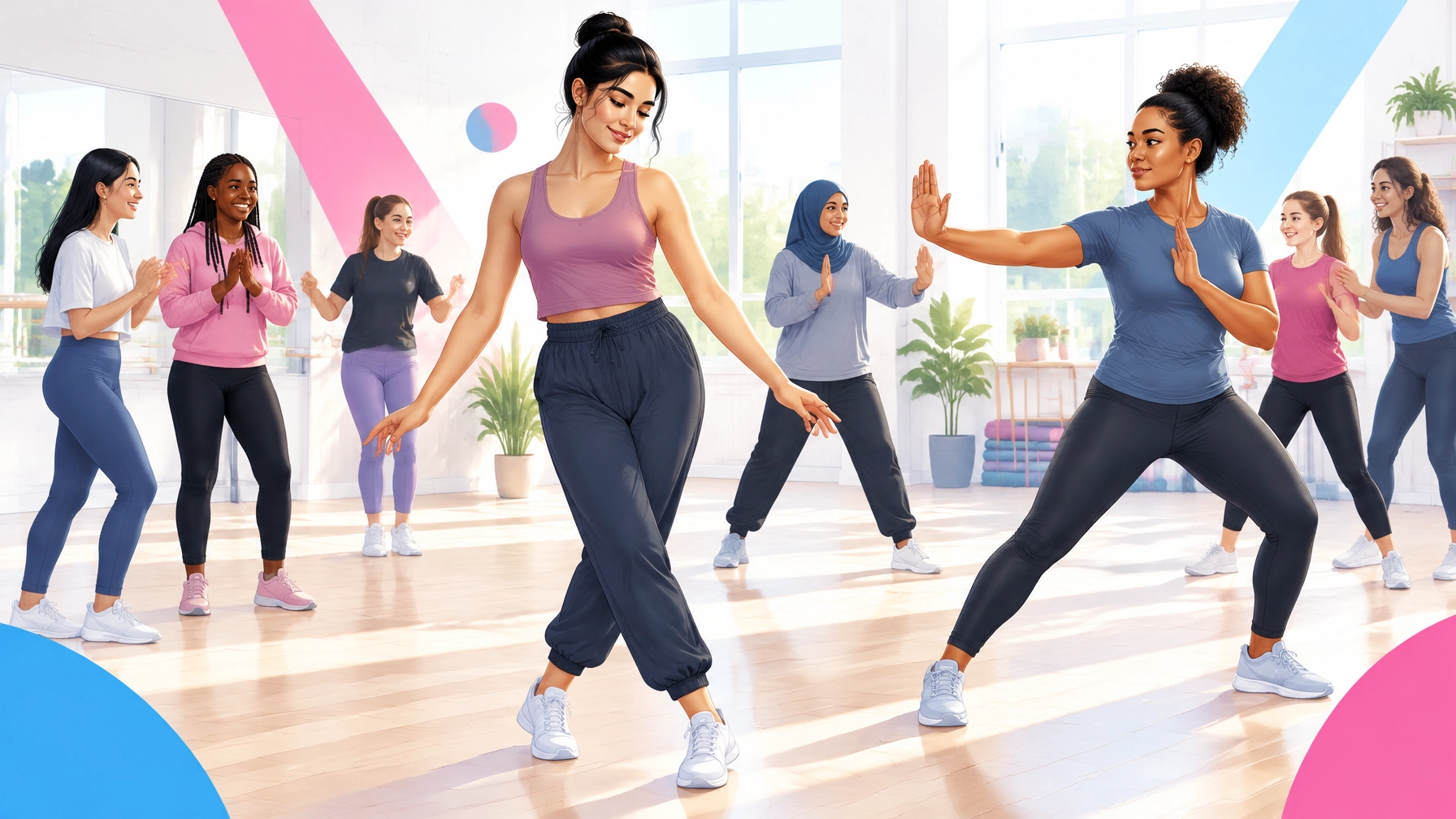
Try a rhythm game. Clap a pattern and ask the group to echo it with their hands or feet. Add a step. Change the speed. Let someone else lead. Before long, people are listening, coordinating and responding to one another.
Imitation games work beautifully too. One person makes a simple movement; the group copies it. Then swap leaders. There is no right way to make a movement your own. There is only a chance to notice, respond and have a go.
And then there is freestyle. I love inviting people to make up a movement that is a little bit silly. When the whole room is smiling, it feels less risky to join in. A playful wiggle can be the first step towards expressing yourself with confidence.

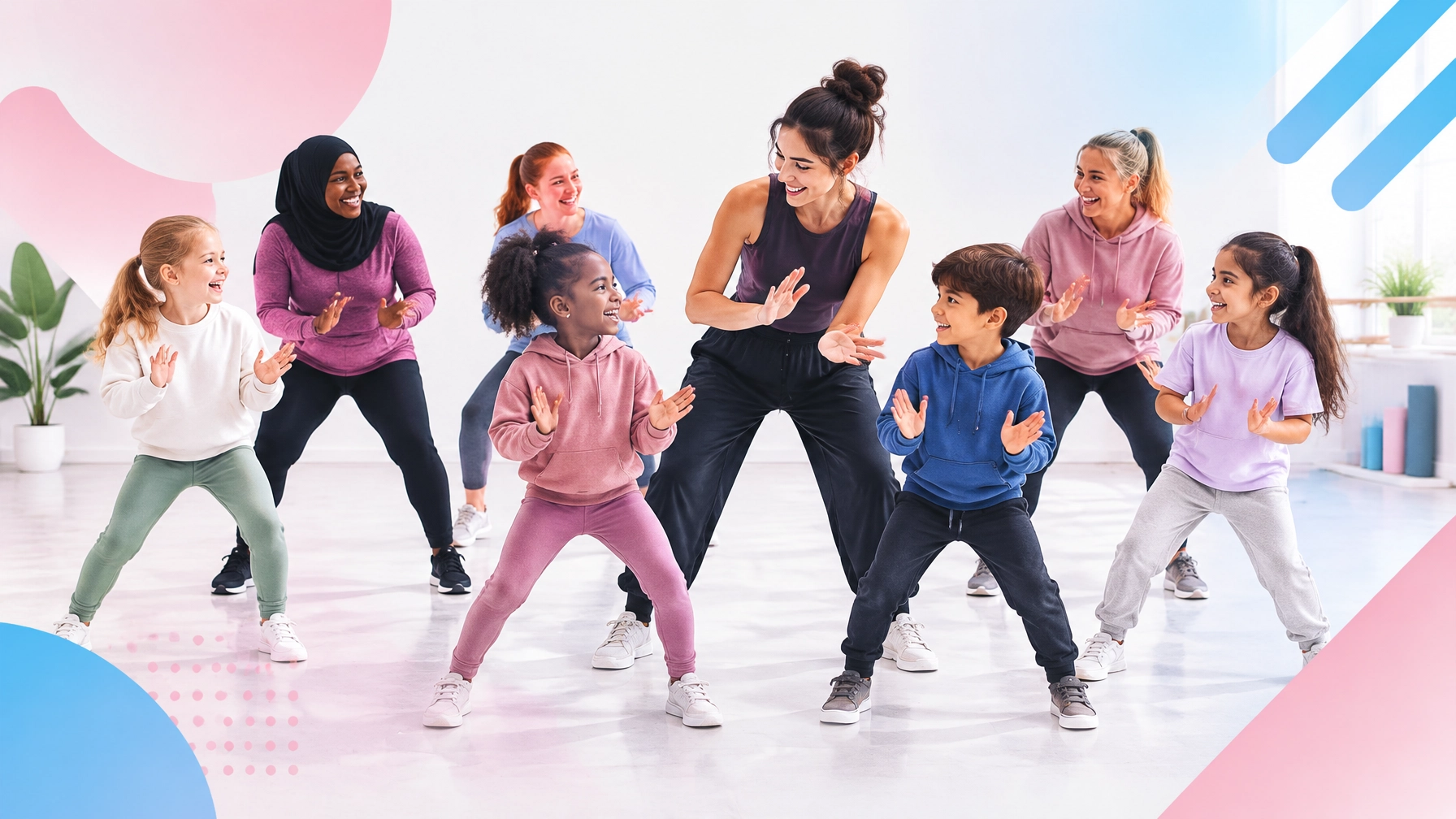
For children, these games can help them practise coordination, rhythm and focus while enjoying the process. They also create opportunities to lead, follow and be seen by others. The aim is not to make every child perform. It is to help each person explore movement at a pace that feels comfortable.
Most importantly, play makes room for mistakes. A missed step becomes something to laugh about and try again, not proof that you can’t do it. When the fear of getting it wrong shrinks, people are more willing to try.
That is a big deal. Confidence grows through trying, not waiting until we feel perfectly ready.
Self-defence: practise responses without panic
Self-defence training needs clear guidance, care and respect. Play does not replace those things. It can make practice more approachable.
In a supportive class, a simple reaction game can build attention and quick decision-making. A cue might prompt a step to the side or a change of direction. A tag-style evasion drill can give people a chance to practise moving away, creating space and staying aware of what is happening around them.
A shouted-voice game can practise using words, too. Participants might try a clear “stop” or “no” in a controlled, friendly setting, then reset and have another go. It is not about frightening anyone. It is about exploring how voice, posture and movement can communicate a boundary.

Repetition matters. A skill can feel unfamiliar the first time. Repeating it in short, playful rounds gives people another opportunity to remember the steps and try them with growing ease. It can help responses feel more familiar, without turning the room into a stressful test.
For children, the rules need to be especially clear. Stop means stop. Everyone’s boundaries matter. An activity should feel safe, supportive and suitable for the group. The goal is to build body confidence and practise choices, not to make children afraid.
That is also at the heart of thoughtful self defence instruction for women in West Yorkshire: offering practical tools in a welcoming environment, at a pace that respects each person. Nobody needs to arrive fearless. We can begin with one manageable skill and build from there.
Grown-ups need play, too
Some adults feel they have to be serious before they can improve. I see it differently. Enjoyment can help us stay curious, and curiosity helps us keep learning.
You don’t need a dance studio to bring a little play into your day. Put on a favourite song and dance in the kitchen. Mirror a child’s silly movement. Try a few steps while you wait for the kettle. You are not auditioning. You are moving.
The same idea applies to self-defence practice. Instead of treating every repetition as punishment, think of it as a chance to explore a skill. Can you notice a cue? Can you move smoothly? Can you use your voice clearly? A little playfulness can lower the stakes and make it easier to come back to practice.
Play is not about ignoring challenges. It is a way to meet them with more openness. And if you’ve ever put off starting because you think you need to feel ready first, you might enjoy my recent post, “One More Time Tomorrow”. Small steps count. Trying again counts.
Play belongs in every West Yorkshire community
In Huddersfield, Batley, Berry Brow and across West Yorkshire, schools, charities, workplaces and community groups bring people together with different needs and different starting points. A playful approach can make movement and skills practice more welcoming for a wide range of ages and experiences.
A school group might explore rhythm and coordination through dance games. A community group might practise boundaries and clear communication in a calm, supportive session. A workplace might use shared movement challenges to encourage teamwork and help colleagues connect in a new way.
The activities can be adapted to the group. What stays the same is the invitation: take part, try something, and encourage one another.
As a Martial Arts coach West Yorkshire groups can work with, I bring together martial arts, dance and motivational speaking. I’m an international Irish dance competitor and have earned British, European and World titles. But being a World Champion West Yorkshire instructor is not the part that means the most to me.
What means the most is seeing people laugh, try again and surprise themselves. I love empowering people. After more than 20 years teaching, that never gets boring.
Take the fun with you
You don’t need to get everything right. You don’t need to be the loudest person in the room. You can start with one clap, one step, one clear word or one try.
Give yourself permission to be playful. Give others permission to learn in their own way. When we make space for enjoyment, we make space for courage too.
If you’re looking for a session for your school, workplace, charity or community group, get in touch and tell me what you have in mind. I’d love to hear from you.
And if you’d like to keep up with the work I’m doing, visit The Dancing Fighter and sign up for the newsletter. I’d love to keep you in the loop. ❤️
About Rebecca
I’m Rebecca Kane, founder and instructor at The Dancing Fighter. I have more than 20 years of teaching experience and have competed internationally in Irish dance, earning British, European and World titles. I bring dance, martial arts and motivational speaking together to help women and children build resilience and confidence.

Tags: West Yorkshire Huddersfield Batley Berry Brow Play-based learning Dance Self-defence Children’s confidence Women’s confidence Resilience Schools Community groups Team-building World Champion West Yorkshire