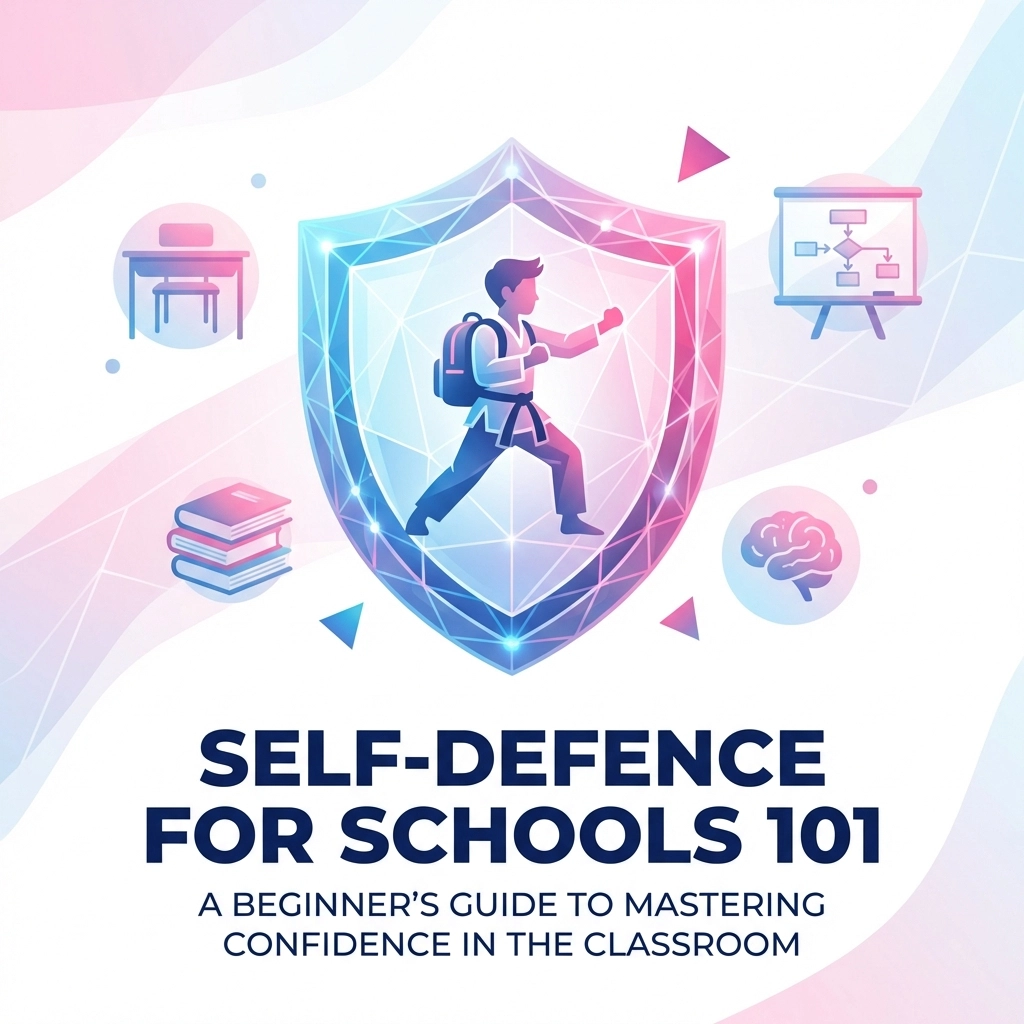
There's something magical that happens when a young person realises they have the power to protect themselves. I've seen it hundreds of times, that spark in their eyes, that straighter posture, that newfound voice. Self-defence isn't just about learning to throw a punch. It's about building unshakeable confidence that carries children through the classroom, the playground, and life itself.
I absolutely love bringing self-defence into schools because the transformation is incredible. Kids who once shrank into the background start speaking up. Children who felt powerless discover their inner strength. And teachers? They get to witness something truly special unfold in their classrooms.
So whether you're a teacher looking to introduce self-defence concepts, a parent curious about what your child could learn, or a young person ready to feel more confident, this guide is for you! ✨
Why Self-Defence Belongs in Every School
Let's get one thing straight: self-defence education isn't about teaching kids to fight. It's about teaching them to be aware, set boundaries, and feel confident in their own skin.
Think about it. How many children struggle with bullying? How many feel unsure about what to do when someone makes them uncomfortable? Self-defence gives them tools, real, practical tools, to handle these situations.
The best part? These skills stay with them forever. A child who learns to trust their instincts at age eight will still trust those instincts at age eighteen and beyond.
The Three Pillars of School Self-Defence
I break self-defence for young people into three main areas. Each one builds on the next, creating a complete foundation of safety and confidence.
1. Awareness and Prevention
This is where everything starts. Before we ever talk about physical techniques, we talk about paying attention.
What awareness looks like for kids:
- Noticing when something doesn't feel right
- Recognising manipulation tactics (like when someone tries to guilt them into doing something)
- Understanding that their gut feeling is incredibly powerful
- Identifying safe adults they can turn to
I always tell children: "Your instincts are your superpower!" If something feels wrong, it probably is. Trusting that feeling is the first step to staying safe.
For teachers, this means creating an environment where children feel comfortable speaking up. Ask questions. Check in. Let them know their feelings matter.
2. Boundary-Setting and Confidence Building
Here's where the magic really happens. Teaching children to set boundaries is one of the most empowering things we can do for them.
What confident boundaries look like:
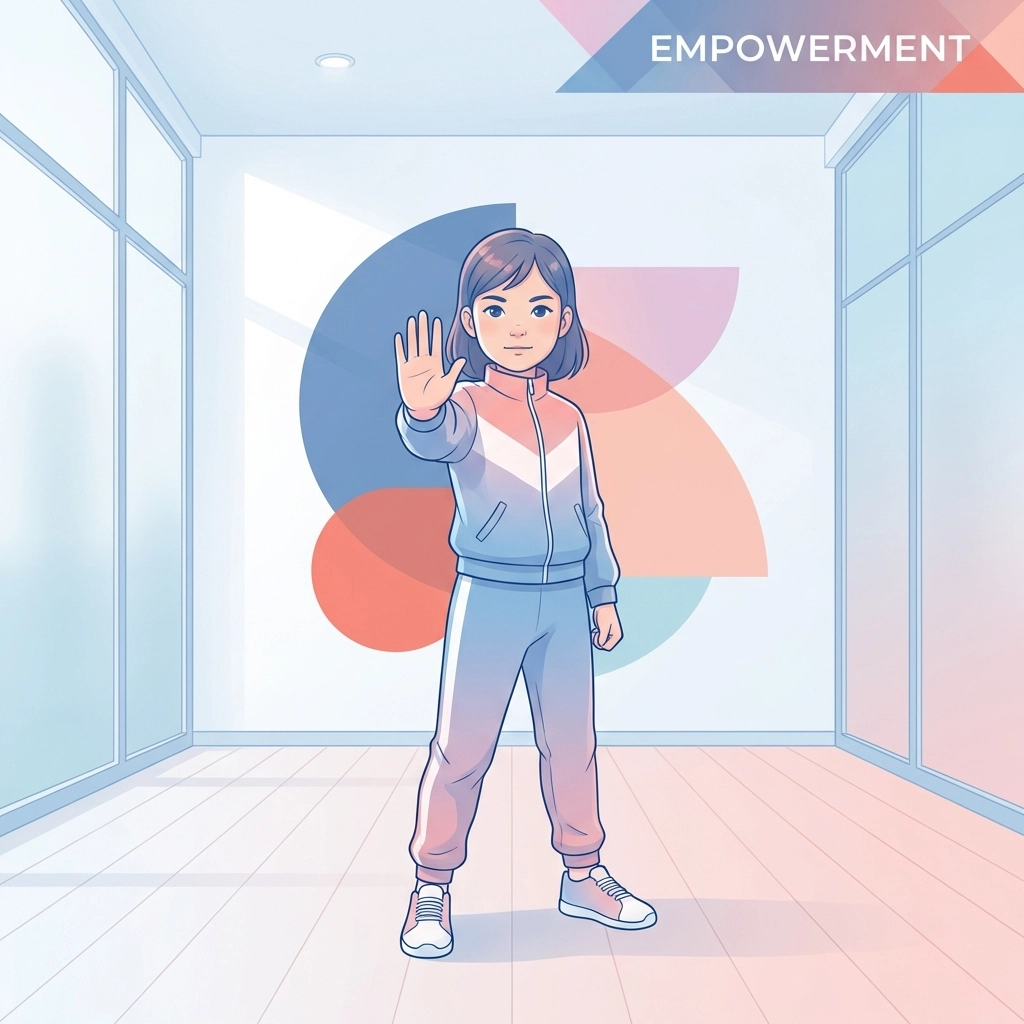
- Using a strong, clear voice to say "no" or "stop"
- Standing tall with good posture
- Making eye contact when speaking
- Walking with purpose and confidence
I've worked with so many children who came in with their shoulders hunched, their voices barely above a whisper. Within a few sessions, they're standing tall, speaking clearly, and projecting confidence that makes them less likely to be targeted in the first place.
Teachers can reinforce this daily. Encourage children to speak up in class. Praise them when they express their needs clearly. Model confident body language yourself.
3. Physical Skills (Age-Appropriate)
Now we get to the hands-on stuff, and yes, it's as fun as it sounds!
Physical self-defence for young people focuses on escape and protection, not aggression. We're not training mini martial artists here (though some do go on to pursue martial arts later!). We're giving them practical skills to get away from dangerous situations.
Basic techniques children can learn:
- How to escape if someone grabs their hand or wrist
- Breaking free from a hold from behind
- Creating distance and running to safety
- Using their voice as a powerful tool (shouting "NO!" or "HELP!")
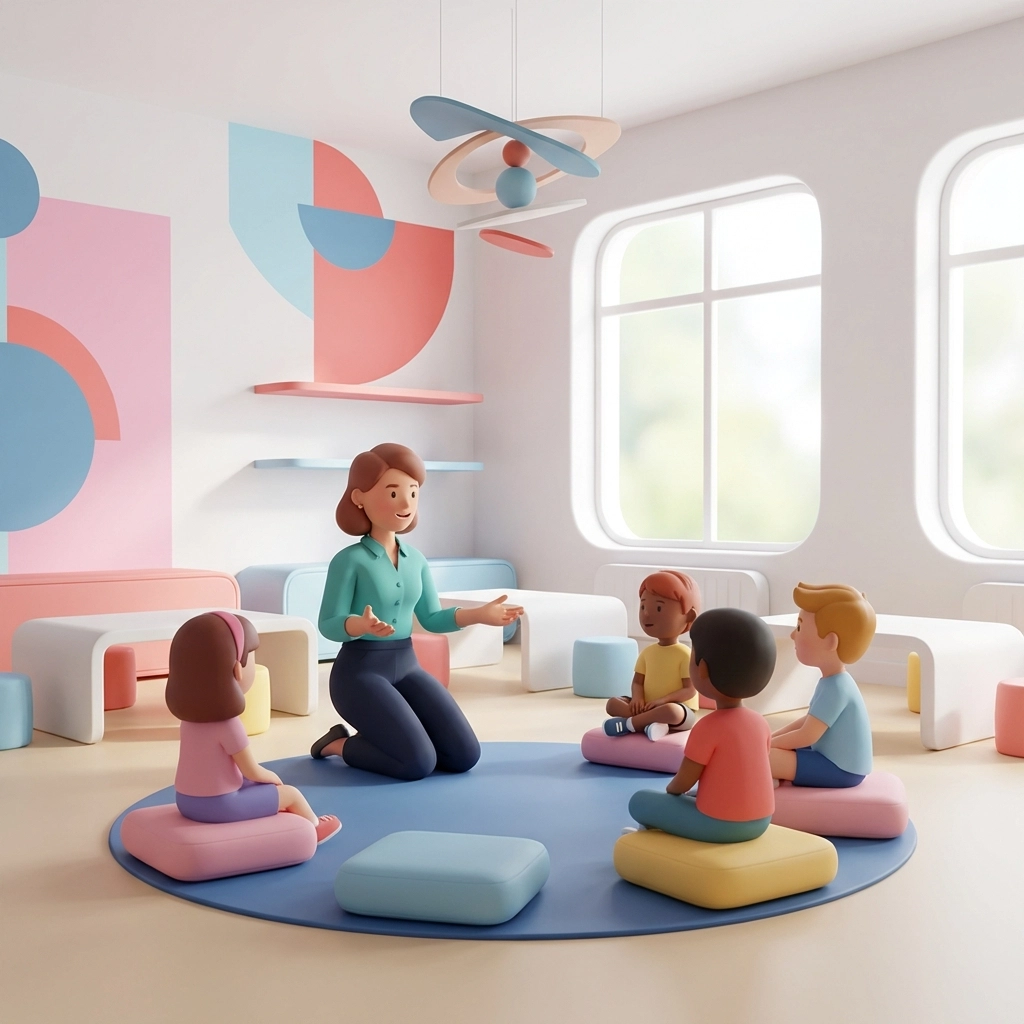
Everything is taught in a safe, controlled environment with proper supervision. We use mats, we practice slowly, and we make it fun. Because when learning is enjoyable, children remember it better!
A Simple Framework for Teachers
Want to introduce self-defence concepts in your classroom? Here's a practical approach that works brilliantly, even if you have no martial arts background yourself.
Day One: Awareness
Discuss what it means to be aware of your surroundings. Play games where children identify potential dangers in different scenarios. Talk about trusted adults and what to do if they feel unsafe.
Day Two: Boundaries
Practice saying "no" in a strong, clear voice. Role-play scenarios where someone might try to pressure them. Discuss the difference between good surprises and bad secrets.
Day Three: Confidence
Work on body language. Practice walking with confidence, making eye contact, and standing tall. Discuss how our posture affects how others see us and how we feel about ourselves.
Day Four: Physical Practice
If you have access to a trained instructor (like me! ❤️), bring them in for hands-on practice. If not, focus on the concept of creating distance and getting to safety.
The Benefits Go Way Beyond Safety
When I work with schools, teachers always comment on the unexpected benefits they see in their students:
Improved focus and attention – Children who feel safe and confident can concentrate better on learning.
Better peer relationships – Kids who understand boundaries respect others' boundaries too.
Reduced bullying – Both potential targets and potential bullies benefit from this education.
Increased class participation – Confidence in one area spills over into others.
Greater emotional regulation – Understanding their own power helps children manage big feelings.
I had one teacher tell me that after our programme, her quietest student put her hand up in class for the first time all year. That moment? That's why I do this work. That's what keeps me passionate after all these years of teaching.
Making It Work for Different Ages
Self-defence education should be adapted for different age groups. What works for a 6-year-old won't work for a 12-year-old.
For younger children (5-8):
Keep it playful and simple. Focus heavily on awareness, recognising safe adults, and using their voice. Physical techniques should be basic escape moves practiced as games.
For older children (9-12):
You can introduce more complex concepts. Discuss manipulation tactics, peer pressure, and online safety. Physical techniques can be more detailed, and children can practice scenarios with greater understanding.
For teenagers (12+):
Consider gender-specific sessions for certain topics. Statistics show that different groups face different risks, and tailored instruction can be more effective and comfortable. This age group can handle more realistic discussions about potential threats.
Getting Started
Ready to bring self-defence into your school? Here are your next steps:
- Talk to your school leadership about the benefits of self-defence education
- Connect with a qualified instructor who specialises in working with young people
- Start small – even a single assembly or workshop can plant powerful seeds
- Make it ongoing – confidence builds with practice and reinforcement
I offer programmes specifically designed for schools, combining movement, dance, and self-defence in ways that children absolutely love. There's nothing better than seeing a classroom full of young people discovering their own strength! ✨
If you want to learn more about empowering children through movement and martial arts, check out my post on why I love teaching martial arts and dance to children.
Every Child Deserves to Feel Confident
At the end of the day, every single child deserves to walk through the world feeling safe, confident, and capable. Self-defence education gives them that gift.
Teachers, you have an incredible opportunity to shape how your students see themselves. Parents, you can reinforce these lessons at home. And young people reading this: you are stronger than you know. Nothing is impossible when you believe in yourself! ❤️
Let's raise a generation of confident, aware, empowered young people. One classroom at a time.
Want to bring self-defence training to your school? Get in touch with The Dancing Fighter and let's chat about creating something amazing for your students!